How To Store Appliances Safely In A Storage Unit
Storing large appliances takes more than unplugging them and locking the door. Fridges, washing machines, dryers and dishwashers all contain electrical components, seals and internal water lines that need careful preparation.
If you’re planning to use a storage unit, preparing your appliances properly will protect them from mould, rust and mechanical issues. Whether you’re renovating, downsizing or relocating, correct appliance storage ensures everything works as it should when you’re ready to use it again.
Below, we’ll walk through how to clean, prepare and store appliances safely, especially if you’re organising long term storage.
Why Proper Appliance Storage Matters
Appliances are a major household investment. Even older models hold value and replacing them unexpectedly can be expensive. Poor preparation before storage often leads to internal mould, corrosion, damaged seals or unpleasant odours.
Brisbane’s humidity makes moisture control especially important. Without the right storage conditions, condensation can build up inside appliances and quietly cause long-term damage.
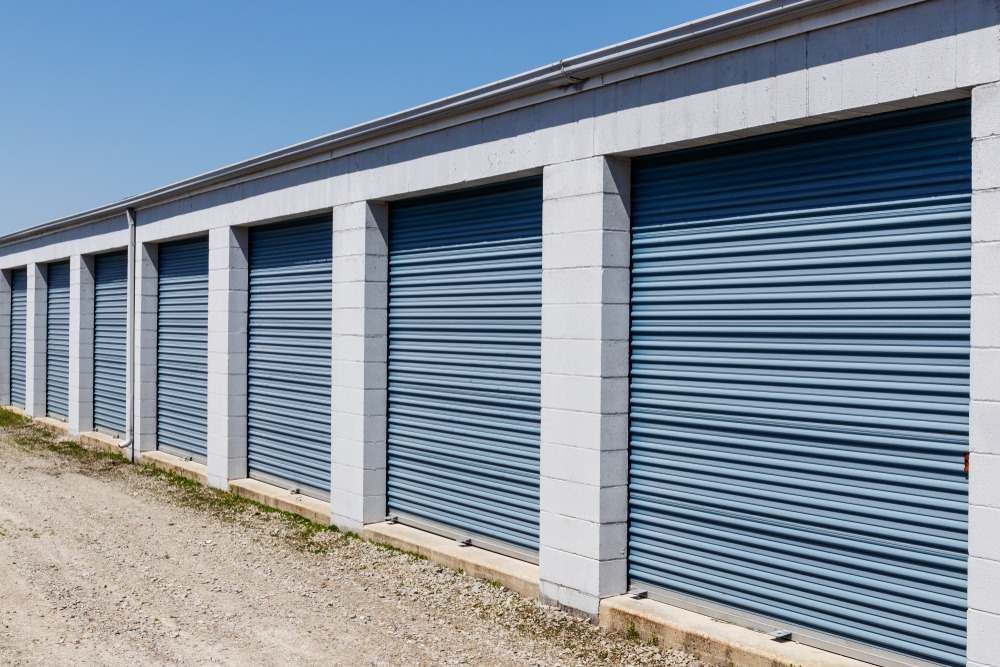
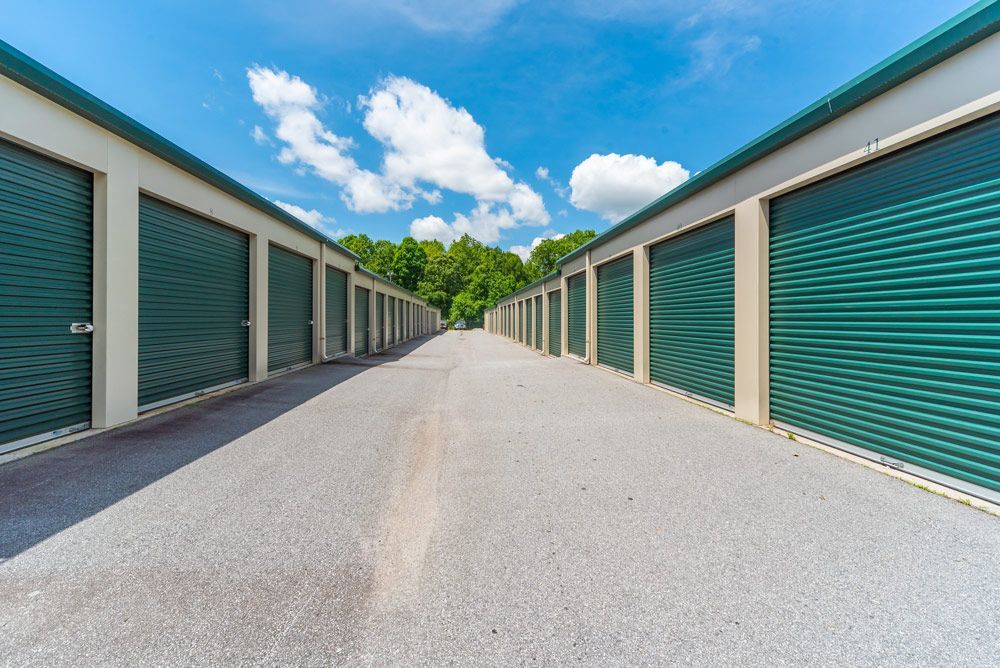
Choosing clean, secure storage units in Brisbane and preparing your appliances carefully protects your investment and gives you confidence while they’re stored.
Start With a Deep Clean
The most important step in appliance storage is thorough cleaning. Even small traces of food, detergent or lint can create odours or attract pests over time.
For fridges and freezers, remove all food and shelving, defrost completely and wash all interior surfaces with mild detergent. Dry everything thoroughly with a clean cloth. Any remaining moisture can lead to mould growth during long term storage.
With washing machines, run a hot empty cycle to flush out detergent residue. Clean the detergent drawer, wipe down the drum and rubber seals and allow the machine to air dry fully with the door open.
Dishwashers should be emptied, filters removed and cleaned and an empty cycle run before storage. Once finished, wipe down internal seals and leave the unit open until completely dry.
For dryers, remove lint from filters and internal traps, then wipe down all surfaces. Clean appliances are far less likely to develop issues while in storage.
Drain All Water Lines Properly
Water left inside hoses or internal systems can cause mould, corrosion and cracking. Before placing appliances into storage, disconnect and drain all water connections.
This applies to:
- ·Washing machine hoses
- Dishwasher hoses
- Ice maker lines
- Internal drainage systems
After disconnecting, tilt appliances slightly if needed to remove any hidden water. Allow sufficient time for everything to dry internally.
If you’re arranging
removals and storage in Brisbane, ask whether the moving team can assist with safe disconnection. Professional handling reduces the risk of damage and leaks.
Secure Cords & Moving Parts
Once appliances are clean and dry, prepare them for transport and positioning inside your unit.
Wrap power cords neatly and secure them with cable ties. Avoid taping directly onto finished surfaces where adhesive may cause marks. Remove loose shelves or trays and wrap them separately for protection.
Lightly secure appliance doors to prevent them swinging during transport. However, once inside your storage unit, allow doors to sit slightly ajar to promote airflow.
Keeping everything compact and secured helps you make the most of the space in storage units in Brisbane while protecting each appliance from accidental damage.
Prevent Moisture Build-Up
Moisture is the biggest risk when it comes to appliance storage in Queensland. Even in a well-maintained facility, internal airflow inside appliances remains important.
Place moisture absorbers inside fridges and washing machines. Leave doors slightly open rather than sealing them shut. Avoid wrapping appliances tightly in plastic, as plastic traps condensation.
Instead, use breathable furniture blankets or padded covers. These protect surfaces from dust and scratches while allowing air circulation.
Good ventilation and a clean, dry environment are essential if you’re planning long term storage.
Position Appliances Correctly in The Unit
How you position appliances inside your storage space matters just as much as preparation.
Always store appliances upright. Refrigerators contain compressor oils that can shift if laid down. If a fridge has been transported on its side, allow it to stand upright for several hours before using it again later.
Inside most storage units in Brisbane, follow these simple guidelines:
- Place appliances against solid walls
- Keep them slightly elevated off concrete floors where possible
- Avoid stacking heavy items on top
Concrete can draw moisture, so using pallets or boards underneath large appliances improves airflow and reduces dampness.
Why Choose Self Storage in Brisbane
Not all storage spaces offer the same level of protection. When comparing storage units in Brisbane, look for facilities that are clean, secure and easy to access.
Professional self storage gives you flexibility and control. You can access your items when needed, choose a unit size that suits your situation and store appliances in a purpose-built environment rather than a shed or garage.
For homeowners storing appliances for several months or longer, consistent conditions make a significant difference. Professional facilities offer far better protection than backyard sheds, where heat and humidity fluctuate.
If you’re managing a full household move, combining removals and storage in Brisbane allows you to transport and store everything safely in one coordinated process.
Appliance-Specific Considerations
While preparation steps are similar, each appliance has its own small details to keep in mind.
Refrigerators benefit from baking soda or moisture absorbers placed inside to prevent odours. Remove glass shelving and wrap it separately to avoid cracks.
Washing machines may require drum stabilisers depending on the manufacturer’s instructions. Keep hoses stored separately in a sealed container.
Dishwashers should have completely dry filters before storage and dryers must be thoroughly cleared of lint to reduce fire risk and pest attraction.
Paying attention to these small details makes a significant difference during long term storage and improves overall appliance storage outcomes.
Avoid These Common Mistakes
Many appliance issues stem from small oversights. Avoid storing appliances while still damp, sealing them in airtight plastic or forgetting to drain water lines.
Blocking ventilation completely is another common problem. Airflow inside appliances prevents mould growth and unpleasant smells.
When you choose reputable storage units in Brisbane and prepare appliances properly, you dramatically reduce these risks.
Protect Your Appliances with Brisbane Moving & Storage
Appliance storage doesn’t need to be complicated, but it does require attention to detail.
Clean thoroughly. Drain completely. Protect against moisture. Store upright. Choose secure storage units in Brisbane that provide a clean and stable environment suited to long term storage.
If you’re relocating, renovating or simply need extra space, Brisbane Moving & Storage can help you coordinate safe transport and reliable storage in one smooth process. With the right preparation and the right environment, your appliances stay protected and ready to use when you need them again.